Opens in a new tab
Case Study

When the grid said no, this project moved forward anyway

How a 300-megawatt data center got to the finish line after utility power was no longer an option

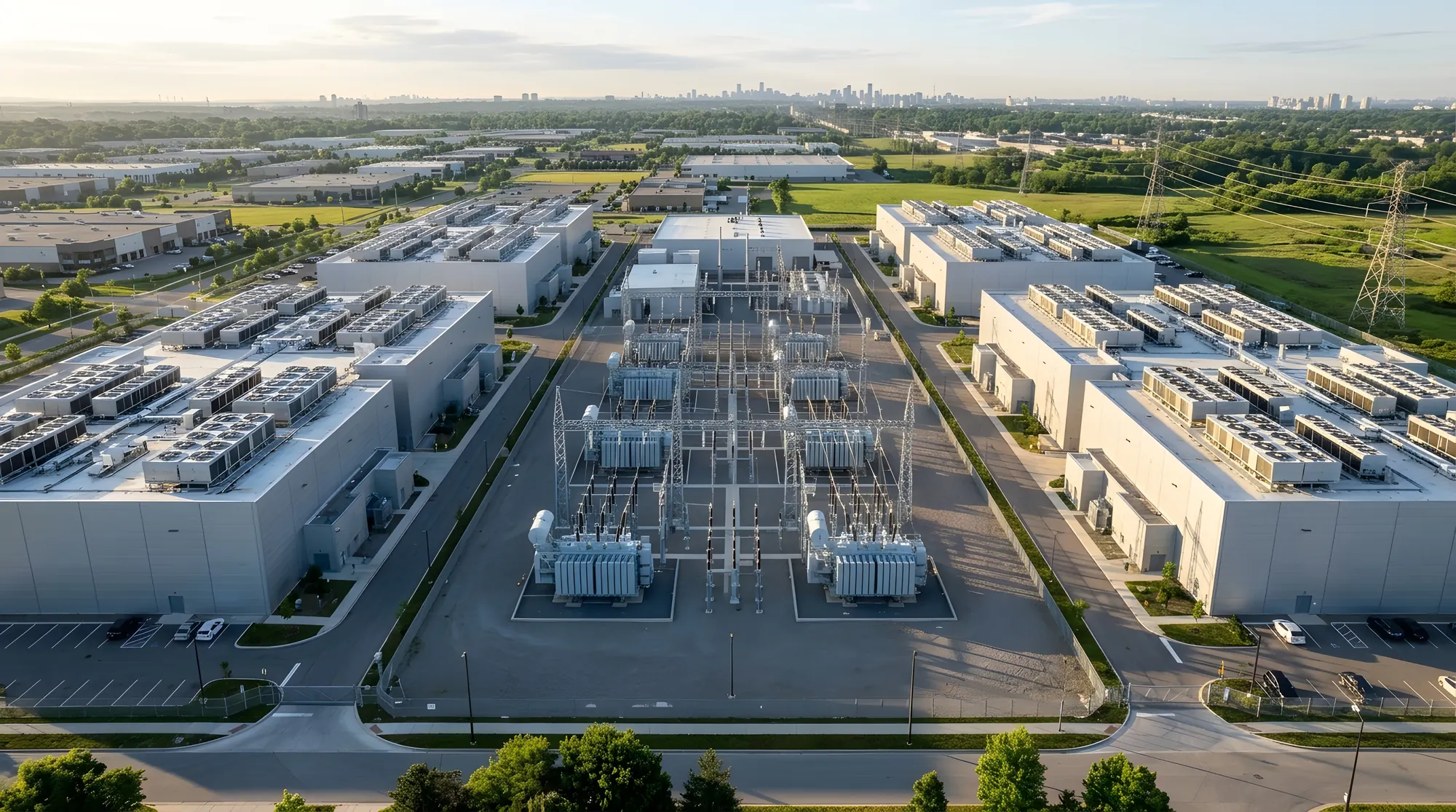
Aerial view of a large data center campus and its electrical substation

An emergency call for help

For an early-stage company like ours, it was a big phone call.

It was the spring of 2025. A developer was planning what would become one of the nation’s largest developer-led AI data centers, and they reached out to see if we could help.

They already had the site, financing was in place, and the project had momentum.

What this developer didn’t have was power.

“The grid had backed out, and taking ‘no’ for an answer on having an energy source for the project was obviously not an option. They needed a solution,” said Smart Grid CEO & President Kameron Beeks.

Editor’s Note: While we’re all about transparency, we’ve intentionally kept the names of the client, tenant and several equipment partners anonymous to honor confidentiality agreements and protect certain proprietary aspects of the project. We appreciate your understanding.

The developer knew a little about us (mainly that we did onsite power), but building a power plant is a big undertaking. So we took a business-case approach to the solution, evaluating a range of technical options to deliver power while also making sure any plan we considered penciled financially and capitalized on the project’s revenue potential amid the ongoing AI data-center boom. After all, first to power means first to revenue — a fundamental underpinning of scaling an AI data center portfolio.

But the developer still wanted to give the utility one more try. And since he knew we spoke the same language as the grid decision-makers, he wanted us to reach out.

So we did. In a scenario we’d seen play out many times before, however, the utility turned out to have neither the capacity nor the political will to deliver on their promise.

As we saw it, the developer now had three choices. And with apologies to the Choose Your Own Adventure books we loved as kids, they looked like this:

  • Rethink the project
  • Walk away
  • Generate power onsite

Over plenty of late-night phone calls, he eventually adopted our confidence around generating power onsite, and decided to commit.

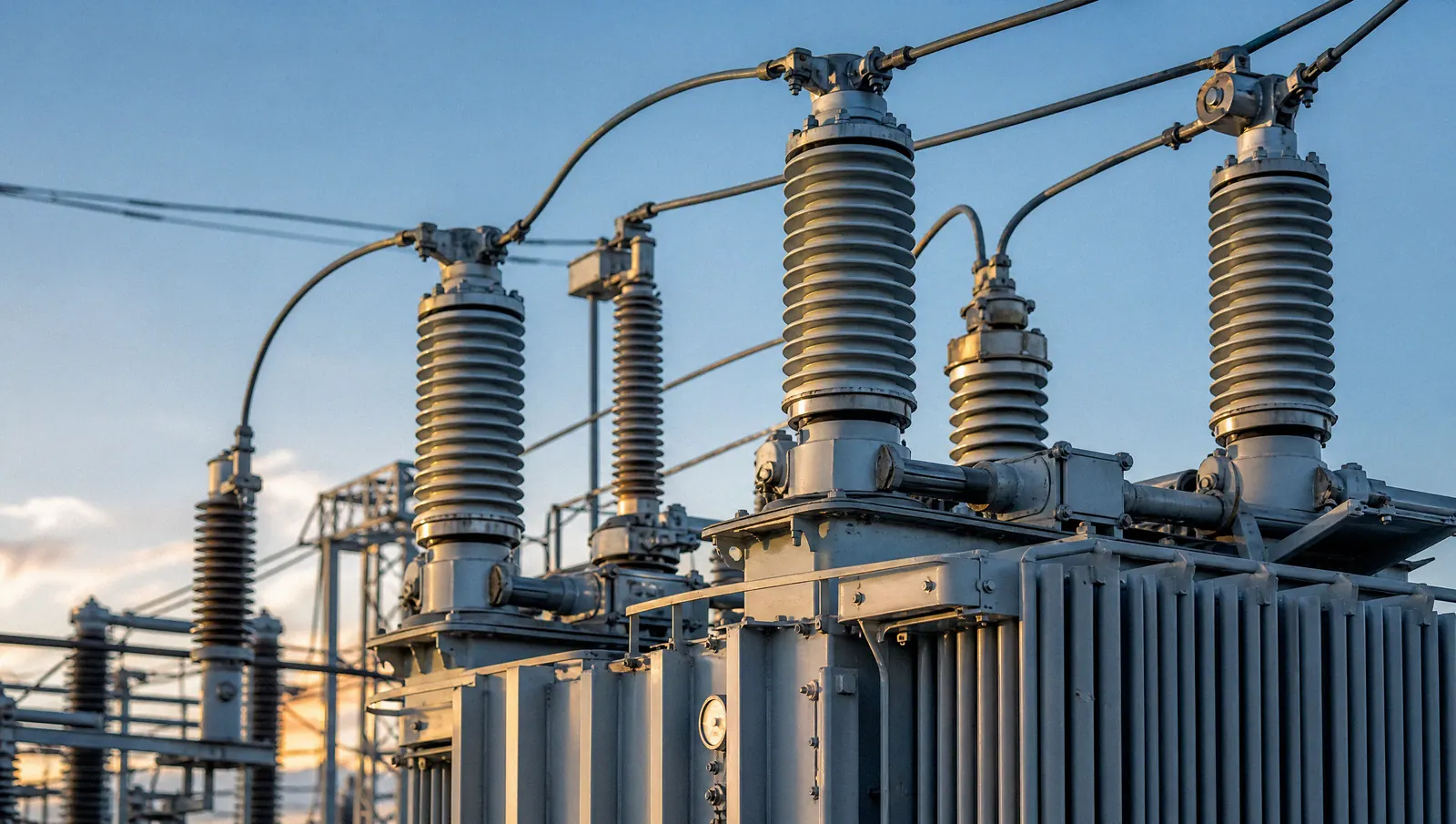
High-voltage transformer bushings at an electrical substation at sunset
“It was a scary moment for sure. We had to come up with an alternative power solution, and we had to move fast.”

– Kameron Beeks, Smart Grid CEO & President

Energy Modeling

Looking beyond the grid

The first step in any onsite power strategy comes down to answering one deceptively simple question:

What method of power is actually best for the project?

Of course, the answer depends on far more than generating electricity. Equipment availability, permitting, community acceptance, deployment schedules, capital costs, long-term operating economics, and a clear financing/investment strategy all influence the power path that ultimately makes the most sense.

Because of this project’s massive scale, every major power-generation technology was on the table. Fuel cells. Linear generators. Turbines. Gas engines. We evaluated each one, modeling not only technical feasibility, but deployment timelines, capital requirements and long-term operating costs.

And in every scenario, we found that the client would see serious financial benefits down the road due to the strength of the power-leasing markets.

“This process proved what we already knew: that when you own your power, the economic advantages will seriously outweigh the upfront cost,” said Smart Grid Co-Founder Rendell Johnson.

In the end, though, our analysis and recommended financing/investment strategy pointed toward a power solution we felt was particularly beneficial — and that hadn’t even been the original plan.

Power Shift

When the numbers change everything

At the beginning of the project, onsite natural gas power generation was simply one option among many. By the end of our analysis, it became the obvious path forward, especially when we discovered it would actually be less expensive over the long run than utility power would have. (See Figure 1.1)

Figure 1.1

A Long-Term Economic Advantage

Estimated 20-year savings

$6.1

BILLION

Onsite energy cost reduction

~22%

REDUCED SPEND

When we completed our levelized cost of energy (LCOE) analysis for this project, it showed that onsite generation could reduce its electricity cost from approximately 10.3 cents per kWh to 8 cents per kWh. This represents an estimated $6.1 billion in savings over a 20-year operating period while providing greater control over the project's schedule and power strategy.

Cents per kWh

121086420

10.3¢

8.0¢

Grid Power
(Utility)

Onsite Power
(Proposed by Smart Grid)

After looking at the numbers, the development team chose to do a deeper dive into a behind-the-meter power plant built around medium-speed gas engines. While we conceptually knew the method could deliver the capacity the project required while also maximizing the long-term economics of owning the generated electricity, we still had to put it on a path to reality.

Still, selecting the right technology was only the first step.

Turning that recommendation into a working power strategy meant coordinating an extraordinary number of moving parts. An engineering, procurement and construction (EPC) partner had to be identified. Fuel availability needed to be confirmed. The electrical architecture had to be designed around both the power plant and the future data halls. Equipment with some of the industry’s longest lead times had to be secured. Permitting requirements had to be evaluated, and we had to ensure the community was still aligned with the project. Meanwhile, every decision we made in each matter would have to support the performance guarantees our client had to make to their future tenant.

In other words, choosing the right power source was the easy part. The job now came down to orchestrating an entirely new utility infrastructure from the ground up.

And we had to work fast.

“Everything was about speed,” Beeks said. “We had to come up with a provide-your-own-power solution quickly, but there’s a process to it. It takes time to secure the turbines. It takes time to secure the electrical equipment. This is not something you can do just to serve the economics.”

Power transformer and switchgear at a substation beside a data center building
An Initial Plan

The hardest thing to buy is time

To be clear, power plants don’t just appear.

Every aspect of a large-scale generation project — engineering, procurement, manufacturing and construction — is measured in years, not weeks or months. Meanwhile, our client was understandably pushing to move their already committed tenant into the site as soon as possible. After all, every day the campus sat unoccupied meant a loss of potential revenue.

To meet the demands in front of us, we broke the plan into three phases:

Phase

01

Deploy temporary power to support building out the site.

Phase

02

Expand bridge power to support the tenant upon move-in while a permanent generation solution was under construction.

Phase

03

Complete the permanent onsite power plant to support the campus at full build-out.

But as much as we love a well-structured plan, the reality was this: We still had to deploy 32 megawatts of temporary power in just 32 days, followed by 50 megawatts of bridge power within eight months — all while continuing to work toward the permanent 315-megawatt onsite generation system.

And just as we set this strategy into motion, everything changed again.

Shifting Gears

When a plan meets reality

While we were working through our long planning checklist, the development team got hit with a massive roadblock.

Community members pushed back on the power plant plan, citing recent and growing concerns over air emissions, water usage, and noise. And while the project team had worked to mitigate each of those issues to be well within regulatory requirements, it quickly became clear that the original strategy was no longer viable.

Was it our ideal outcome? No. But it’s the kind of curveball that it’s our job to anticipate and respond to.

And because of our initial planning efforts and analysis, we were ready to pivot.

Instead of trying to force the original solution, we were able to keep moving forward by revisiting all the available technologies we’d worked through earlier in the process.

In consultation with our client and alongside our EPC partner, we decided to redesign the onsite generation strategy around utility-scale fuel cells, which preserved the project’s objectives while addressing the full scope of the community’s concerns.

Importantly, this pivot did not slow the client’s ability to deliver for their campus tenant thanks to the temporary power strategy we’d already put in motion while a permanent solution got sorted.

And while it was obviously important for us to make sure a roadblock didn’t lead to a “game over” moment, we had to remain equally vigilant around ensuring the shifts didn’t impact the project’s overall affordability.

Fundamental to this is that we were always careful not to oversize the system. So instead of scaling the electrical infrastructure around the unlikely scenario of every GPU operating at full utilization simultaneously, we modeled how modern AI hardware actually performs in the real world. And even under laboratory conditions, sustained utilization rarely approaches 100 percent.

Beyond eliminating the higher cost of running a too-big system, this approach had a cascading cost savings effect across the power plant, the distribution equipment, and the data center’s entire power chain.

PLAN FOR THE GAP

Our approach to bridge power

  • Define the power gap
  • Validate site and fuel readiness
  • Engage permitting authorities and utility
  • Select the solution and coordinate delivery
  • Plan the permanent power transition
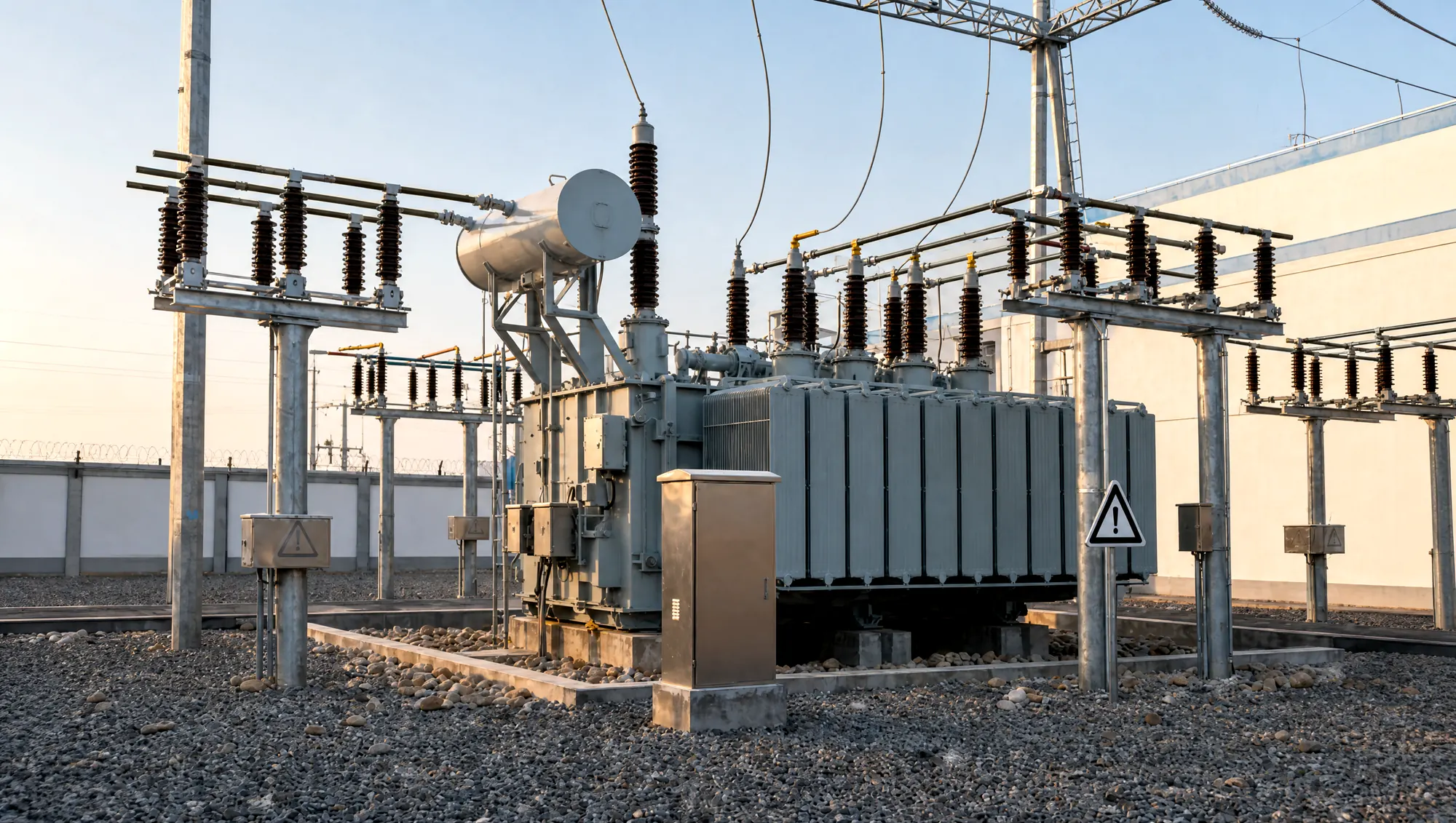
Power infrastructure at a data center site
“By building the project’s uptime and reliability requirements into the power plant itself, we eliminated the need for backup generators, saving the client millions of dollars, reducing air emissions and shortening the project schedule.”

— Smart Grid Options Co-Founder Nick Gallucci

The Final Push

Getting to the finish line

By this point, we’d cleared a bunch of big hurdles. We studied and introduced multiple prime power options, chose one, then quickly pivoted to a second. All the while, we secured interim power to keep the project moving forward while continuing to make sure our efforts fit our client’s business goals and were grounded in pragmatic and executable technical solutions.

Now the job shifted to working with the developer in presenting the project to its prospective tenants.

Together, we refined the strategy, answered technical questions, and supported conversations as the campus delivered an energized AI data center for their long-term off-taker. And after just a few months, the client — a leading AI cloud provider — moved into the space, creating the foundation for one of the country’s most significant next-generation data center campuses.

Were some of the pivots we went through painful? Oh, yes. Even with our significant experience, the ever-evolving practicalities and politics of large infrastructure projects is going to hit you with realities you didn’t anticipate. The upside? Each challenge now lives as a highly specific learning that we actively apply to our subsequent projects and is a point of pride about our team’s ability to adapt, overcome headwinds, and ultimately deliver for clients.

“In the end, our job is never just to solve a power problem,” Beeks said. “It’s to ensure the project’s financial viability, keep it alive through the inevitable twists and turns, and stay on until it’s both operational and occupied. And that’s exactly what we did here.”

OUR SERVICES

A complete suite of energy solutions

We can handle the planning, engineering, equipment, and execution of your project’s power picture in a single, accountable workflow — eliminating the confusion, delays and handoffs that derail too many ambitious jobs.

See what we do

Ready to control your energy picture?

If you’re planning a project that needs serious power, don’t wait on the grid. Let’s build a better plan together.
Get in touch